Checking out the Advantages of Utilizing Aluminum Castings in Modern Manufacturing
Aluminum castings have come to be significantly relevant in modern-day manufacturing because of their one-of-a-kind homes. The lightweight nature of aluminum enables extra complex layouts, especially useful in markets like automotive and aerospace. Its rust resistance prolongs item life-span, while cost-effectiveness enhances manufacturing efficiency. These benefits invite a closer examination of aluminum's function in various applications and its effect on design versatility and sustainability in making procedures.
Lightweight Residences and Their Effect on Style
The light-weight buildings of aluminum castings substantially affect contemporary design methods throughout different sectors. Developers and engineers commonly focus on weight decrease in their jobs to boost effectiveness and performance. This particular allows for the creation of intricate shapes and designs that would certainly be testing with larger materials. In sectors such as vehicle and aerospace, where every gram counts, aluminum castings contribute to fuel effectiveness and decreased exhausts. In addition, the ease of manufacturing procedures like die casting allows the manufacturing of complex geometries, resulting in innovative product styles. The capacity to balance toughness and weight makes aluminum an attractive option for suppliers seeking to maximize product capability while decreasing production expenses. As industries remain to advance, the adoption of aluminum castings is likely to broaden, fostering brand-new possibilities for layout creativity and engineering innovations. Generally, the light-weight nature of aluminum is a vital variable in forming modern manufacturing methods.

Superior Corrosion Resistance for Durability
Many materials suffer from deterioration over time, aluminum castings stand out for their superior deterioration resistance, considerably enhancing the durability of items. This resistance is primarily connected to the all-natural formation of a safety oxide layer on the aluminum surface area, which hinders further oxidation and prevents rusting. Unlike steel or iron, aluminum does not wear away conveniently when revealed to moisture or various chemicals, making it an ideal selection for applications in severe environments.
In enhancement, aluminum castings maintain structural stability over prolonged periods, minimizing the demand for frequent replacements. This reliability is important in sectors such as auto, aerospace, and aquatic, where component failure can lead to substantial safety and security concerns. By picking aluminum castings, manufacturers can guarantee that their items not only endure the test of time however also perform consistently under difficult problems, ultimately profiting both producers and end-users via enhanced sturdiness and fewer maintenance demands.
Cost-Effectiveness in Production
Cost-effectiveness in aluminum casting manufacturing is driven by several crucial variables. Minimized material waste adds to reduce production costs, while quick manufacturing times enhance total performance. These aspects jointly position aluminum castings as a practical alternative for producers looking for to maximize their operations.
Minimized Material Waste
Decreasing product waste in aluminum casting not only improves sustainability but additionally substantially reduces production prices. Efficient usage of raw products is critical in modern-day manufacturing, where decreasing waste can lead to substantial savings. Aluminum casting processes allow for elaborate designs with precise specs, which aids to optimize material use and reduce excess. Strategies such as near-net form casting even more limit the amount of scrap produced during manufacturing. Furthermore, the recyclability of aluminum adds to a reduction in waste, as leftover materials can be thawed and recycled in future applications. By embracing aluminum casting techniques, manufacturers can accomplish not just a much more eco friendly operation however likewise a streamlined production process that makes best use of resource efficiency and decreases overall product costs.
Lower Production Prices

Quick Manufacturing Times
While several elements add to the general effectiveness of making processes, fast manufacturing times attract attention as a significant benefit of aluminum casting. This method enables for the fast development of elements, considerably lowering preparations. The capability to produce complicated forms with high accuracy suggests that manufacturers can promptly reply to market needs and range manufacturing as needed. Additionally, aluminum's desirable thermal properties enable faster cooling rates, better quickening the general casting process. Shorter production cycles lead to boosted supply turn over and minimized operational prices. By lessening delays and improving throughput, aluminum casting supports a more dexterous production environment, inevitably adding to increased competitiveness in the marketplace.
Layout Flexibility and Complicated Geometries
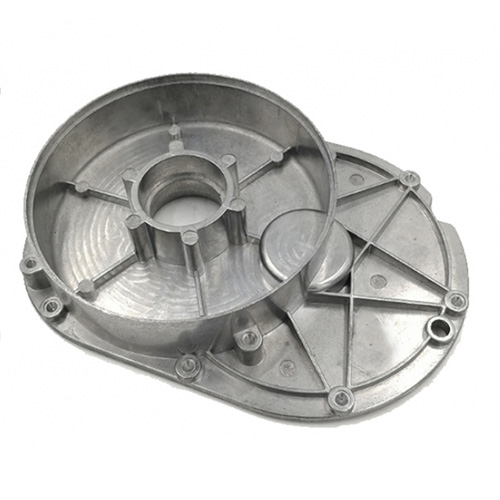
Aluminum castings provide exceptional style versatility, enabling the creation of intricate geometries that would certainly be challenging with various other products. This capacity permits manufacturers to produce light-weight architectural options that improve overall performance and performance. Additionally, the quick prototyping capacity of aluminum castings accelerates the advancement procedure, facilitating innovation in layout.
Intricate Design Capabilities
Light-weight Architectural Solutions
Suppliers increasingly utilize aluminum castings to provide lightweight architectural services that do not jeopardize on toughness or resilience. The fundamental homes of aluminum, including its low density and high strength-to-weight proportion, make it an excellent choice for applications where weight decrease is crucial. This lightweight characteristic facilitates design adaptability, permitting designers to create intricate geometries that typical products might not accommodate. Additionally, aluminum castings can be customized to details performance demands, enhancing capability without adding excessive weight. This flexibility makes it possible for the manufacturing of intricate components for various markets, such as aerospace and vehicle, where effectiveness and performance are paramount. In general, aluminum castings play a crucial function beforehand modern-day production with ingenious structural layouts.
Rapid Prototyping Potential
Rapid prototyping has actually become a game-changer in modern production, specifically when it concerns create versatility and the capability to create complex geometries. Aluminum castings facilitate this innovation, permitting engineers to produce elaborate styles that would certainly be difficult or difficult with conventional approaches. The light-weight nature of aluminum enhances the convenience of manipulation throughout the prototyping phase, making it possible for fast iterations and adjustments. The product's outstanding thermal conductivity and rust resistance add to the sturdiness of models, making them appropriate for testing in real-world conditions. Therefore, producers can speed up item advancement cycles, minimize prices, and improve development. Inevitably, the assimilation of aluminum castings right into fast prototyping procedures sustains the creation of advanced, high-performance parts customized to details applications.
Improved Thermal and Electric Conductivity
While aluminum castings are renowned for their lightweight homes, their enhanced thermal and electrical conductivity also plays an important function in contemporary manufacturing. This characteristic makes aluminum an ideal option for applications calling for reliable warmth dissipation and electrical performance. Parts in electronic devices benefit from aluminum's capacity to successfully move heat, therefore minimizing the danger of overheating and lengthening gadget life-span. In auto and aerospace markets, aluminum castings add to improved thermal management systems, promoting energy performance.
In addition, the high electric conductivity of aluminum enables for its prevalent usage in electric components, such as ports and bus bars. This attribute not only minimizes power loss during transmission yet additionally boosts overall efficiency. The mix of these homes positions aluminum castings as a recommended product in various applications, driving technology and performance in manufacturing procedures across different markets.
Sustainability and Ecological Advantages
Aluminum castings provide considerable sustainability and ecological advantages, aligning with the expanding emphasis on green manufacturing his explanation methods. Among the key benefits of aluminum is its recyclability; up to 95% of aluminum can be recycled without losing quality. This procedure consumes just a portion of the energy needed for key manufacturing, significantly minimizing greenhouse gas emissions.
Furthermore, aluminum is light-weight, which adds to power performance in transport and product use. Its longevity and resistance to corrosion expand the life expectancy of products, lessening waste and the demand for constant replacements. Furthermore, using aluminum castings can lead to much more reliable production processes, as they frequently call for less power and product compared to traditional methods.
Applications Throughout Various Industries
As markets significantly seek versatile materials for ingenious applications, aluminum castings have actually arised as a popular choice across different sectors. In the automobile sector, light-weight aluminum castings add to improved fuel efficiency and performance, while in aerospace, they provide toughness without compromising weight, necessary for aircraft layout. The consumer electronic devices industry benefits from aluminum's superb thermal navigate here conductivity, making it perfect for warmth sinks and enclosures. Furthermore, the building and construction industry uses aluminum castings for window frameworks, roof elements, and structural aspects due to their longevity and resistance to deterioration. Furthermore, the clinical tools market relies upon aluminum castings for creating accurate, light-weight components that fulfill stringent hygiene requirements. These varied applications highlight the versatility of aluminum castings, making them a favored product for manufacturers aiming to innovate and boost product efficiency throughout different areas.
Frequently Asked Concerns
How Are Aluminum Castings Produced in the Production Process?
Aluminum castings are generated via a procedure involving melting aluminum, pouring it into mold and mildews, and allowing it to solidify. Aluminum Casting. This technique allows the production of intricate forms and exact dimensions called for in numerous applications
What Security Actions Are Necessary When Dealing With Aluminum Castings?
When working with aluminum castings, important safety procedures include using safety equipment, ensuring correct ventilation, applying fire safety procedures, and keeping devices to stop mishaps, thereby guarding workers versus prospective threats related to the casting procedure.
Can Aluminum Castings Be Recycled, and How Is This Done?
Aluminum castings can indeed be recycled efficiently. The process entails accumulating scrap aluminum, melting it down in heaters, and after that reforming it into brand-new products, thereby saving resources and reducing ecological impact in production.
What Are the Typical Defects in Aluminum Castings and How to Prevent Them?
Usual defects in aluminum castings consist of porosity, contraction, and surface area flaws. To avoid these issues, appropriate mold and mildew design, temperature control, and material option are essential, guaranteeing excellent casting problems and reducing the chance of issues.
Just How Do Aluminum Castings Compare to Other Products in Regards To Toughness?
Aluminum castings show beneficial strength-to-weight ratios compared to several products - Aluminum Casting. While typically less strong than steel, they outshine plastics and use enough stamina for various applications, making them a versatile choice in making procedures